Nurani: A Handwritten Font That Brings Your Crafts to Life
There’s something magical about the moment when you sit down with a fresh design idea and start bringing it into the world. Whether you're crafting candle labels, designing greeting cards, or working on a new line of planner pages, the right typeface can make all the difference. Recently, I discovered Nurani, a fun and friendly handwritten font that has quickly become one of my favorites for adding personality to both physical and digital products.
First Impressions: Seeing Nurani in Action
I first used Nurani while creating mockups for a batch of seasonal candles. I had a label layout with a simple background and wanted a font that felt warm, inviting, and a little whimsical. As soon as I typed out the name of the candle — “Cozy Autumn Glow” — using Nurani, everything shifted. The letters flowed naturally, like someone was writing them just for me. It gave the product a personal touch, making it feel handcrafted even before the wax hit the jar.
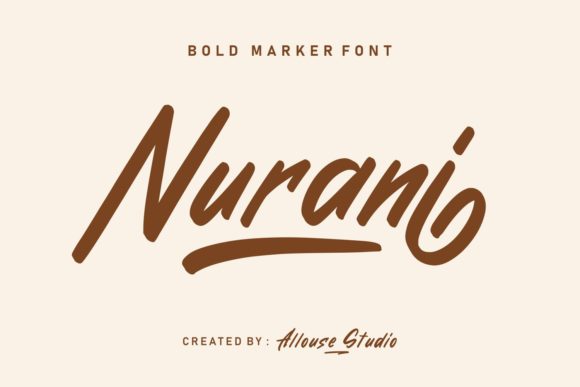
The visual personality of Nurani is what really caught my eye. Its cursive style is elegant but not too formal, playful yet refined. It feels like the perfect balance between a modern script and an old-fashioned love note. Each character carries a sense of charm and spontaneity, which makes it ideal for handmade items where authenticity matters most.
From Labels to Wall Art: Where Nurani Shines
Since discovering Nurani, I’ve found myself using it across a wide range of projects. Here are some of the ways it has enhanced my work:
- Candle Labels: Nurani adds a soft, approachable vibe to natural soy candles, especially when paired with minimalist illustrations.
- Greeting Cards: For birthday and thank-you cards, Nurani brings a handwritten warmth that feels genuine and heartfelt.
- Wedding Invitations: I tested it on a sample wedding suite, and it worked beautifully for the invitation wording and envelope lining.
- Wall Art Printables: When used for short quotes or phrases, Nurani gives digital art downloads a cozy, artistic flair.
- Boutique Packaging: On tags and gift wrap designs, Nurani helps elevate the presentation without overwhelming the aesthetic.
- Seasonal Shop Items: From holiday ornaments to summer-themed mugs, Nurani adapts well to different themes and color schemes.
One thing I love about Nurani is how it works in both digital and print formats. I've used it in Cricut and Silhouette designs for stickers and iron-ons, and it holds up beautifully at small sizes. The curves are smooth enough for detailed cuts, and the spacing allows for easy alignment, even when layering text with graphics or icons.
Bringing Emotion to Your Brand
As a creative maker, your brand identity is often expressed through more than just visuals — it's in the tone of your shop copy, the packaging, and yes, even the fonts you choose. Nurani has a unique ability to convey emotion subtly. It doesn’t shout; it whispers. That kind of presence is exactly what you want if your brand focuses on comfort, connection, or creativity.
When I added Nurani to a boutique tag for a custom soap bar, the overall look became more cohesive with the rest of my shop’s branding. It helped tie together the packaging, the listing image, and the downloadable care card into one unified experience. Customers who received the final product mentioned how much they loved the "handmade feel" of the label — and I know Nurani played a big role in that impression.
Short Phrases and Display Use
Nurani is particularly effective for short phrases and display text. Names, titles, and decorative wording pop off the page with this font. I’ve used it for things like:
- “Welcome Home” on a farmhouse-style sign
- “Happy Birthday” on sticker sheets for kids’ party supplies
- “Love Always” in a set of printable thank-you notes
These kinds of uses highlight Nurani’s strengths — its expressive strokes and natural flow give each phrase a sense of intention and care. It’s not a font you’d use for body text, but it excels in areas where visual impact is key.
Font Pairing Tips for Makers
To keep things balanced, I often pair Nurani with a clean sans serif or a simple serif font. This combination creates contrast and ensures readability without losing the charm Nurani brings. For example, pairing it with a font like Lato or Montserrat in headings or subheadings keeps the design from becoming too busy, while still letting the main title shine.
When working on editorial-style designs like planner pages or journal inserts, I sometimes use Nurani sparingly for decorative elements, like dates or section headers. In those cases, it adds just the right amount of interest without distracting from the content.
Readability and Practical Design Considerations
Even though Nurani is a script amp font, it reads surprisingly well, especially when designed thoughtfully. I’ve learned a few tricks along the way to ensure clarity and usability:
- Use appropriate weights: If you’re printing on a dark surface or need high contrast, check if Nurani offers bold or extra-bold styles.
- Optimize spacing for cutting machines: Script fonts can be tricky when using SVG files. I always test the spacing in my designs before sending them to the machine.
- Avoid ligatures in small text: While Nurani includes some beautiful swashes and alternates, I tend to disable them for smaller sizes like product tags or QR code overlays.
- Test in real conditions: Before mass-producing anything, I print a sample on actual materials (like matte paper for cards or glossy vinyl for stickers) to see how the font looks in person.
For digital printables, I make sure the font is legible in thumbnails and preview images. Nurani’s consistent stroke width and open shapes help it stay visible even in compressed formats, which is a huge plus when showcasing your work online.
Commercial Use and Licensing Clarity
Before diving into any commercial project, it’s important to understand the licensing terms of the font you're using. Nurani is a commercial font, and it comes with clear usage guidelines that let you apply it to physical products, digital downloads, and signage — as long as you follow the rules provided by the font creator. I always double-check the included file formats and supported languages to ensure it fits my target audience and production tools.
For instance, if I'm designing wall art for international buyers, I confirm whether Nurani supports non-Latin characters. And since I also create SVG-style designs for cutting machines, I look for variations that maintain the font’s integrity in vector form.
Making Your Shop Stand Out with Nurani
Handmade shops are full of beautiful products, but what sets yours apart? Often, it’s the little details — and typography is one of them. Nurani isn't just a pretty font; it's a tool that helps your brand speak with confidence and care. It’s the kind of font that invites people to pause and read a bit longer, whether it’s on a tote bag, a mug, or a greeting card.
Here are a few practical ways I’ve incorporated Nurani into my shop materials:
- Logo Design: Nurani works well as a standalone logo for brands with a soft, organic vibe. I’ve used it for a small flower shop logo and it instantly gave the brand a warm, artisan feel.
- Product Tags: For items like wooden signs or fabric totes, I add a small tag with the product name in Nurani. It gives the piece a personal signature.
- Shop Branding: Used consistently in headers and marketing materials, Nurani helps reinforce a cohesive brand identity that customers begin to recognize.
It’s not just about looking good — it’s about feeling good. Nurani evokes a sense of joy and creativity that resonates with makers and buyers alike. When your product feels intentional, it encourages trust and engagement.
Designing with Nurani: A Few Final Notes
Every time I reach for Nurani, I’m reminded of why choosing the right typeface is so important. It’s not just about aesthetics; it’s about how your words are perceived. Nurani adds a layer of thoughtfulness to every project it touches, helping transform ordinary designs into something memorable.
If you're into stationery, invitations, or product labeling, I encourage you to try Nurani in your next mockup. You might find, like I did, that it breathes life into your creations. Just remember to consider how it interacts with your other design elements — colors, textures, and imagery — to build a complete story around your products.
So, go ahead. Let Nurani write a part of your craft journey. Whether you're preparing for a holiday sale or launching a new collection, this handwritten font could be the missing piece your designs have been waiting for.